Libraries are building the future of games-based services
The National Games and Libraries Project's 2026 Fellowship cohort brings together librarians, state library leaders, researchers, and game experts to make games a core part of library practice. By the National Games and Libraries Project · Summer 2026
Open Game Data's mission isn't just about the Vault or the classroom, it's about building a public media system for games and game research, one that works wherever people actually learn through play. Schools are one setting for that. Libraries are another, and arguably a more overlooked one: informal, walk-in spaces where games already happen but rarely get documented, studied, or supported the way school programs do. The National Games and Libraries Project's 2026 Fellowship is doing exactly the kind of field-building that vision requires: twelve librarians across Wisconsin and Washington turning one-off, staff-dependent game programs into shared, documented practice. This isn't adjacent to our mission. It's what the mission looks like applied to libraries.
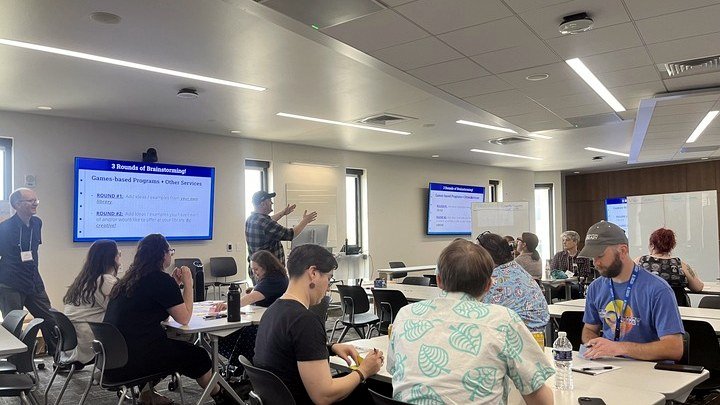
Librarians working in small groups during the 2026 fellowship kickoff
This summer, the National Games and Libraries Project welcomed its 2026 Fellowship cohort, convening librarians from Wisconsin and Washington who share a common belief: games belong in libraries. Not because games are trendy. Not because they are a side activity to draw people into the building. Games are one of the defining cultural and creative media of our time. They are where people learn, socialize, tell stories, solve problems, and build community. For Ben Miller, Wisconsin State Librarian at the Department of Public Instruction, that is the central reason libraries need to take games seriously.
“Games are where people are at. If librarianship is going to remain vital, it has to meet people where they are.”
The Fellowship is part of a broader field-building effort: to help libraries move from isolated experiments toward shared standards, shared language, and shared professional infrastructure for Games-Based Library Services.
A new form of librarianship
The National Games and Libraries Project defines Games-Based Library Services as library experiences and offerings directly centered on modern, multi-format gaming media. That includes circulating board game collections, video game programs, tabletop role-playing games, teen events, family programs, displays, in-library game collections, and much more. The 2026 Fellowship brings that definition into practice. Eight Wisconsin librarians and four Washington librarians are working together to document what already works, identify what libraries need, and prototype services that can inform a national toolkit.
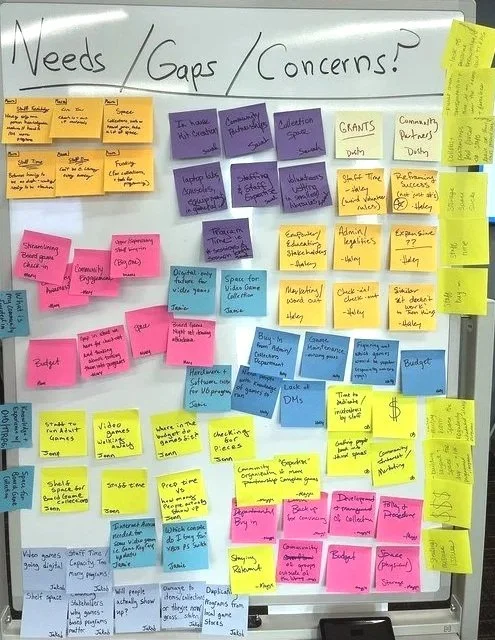
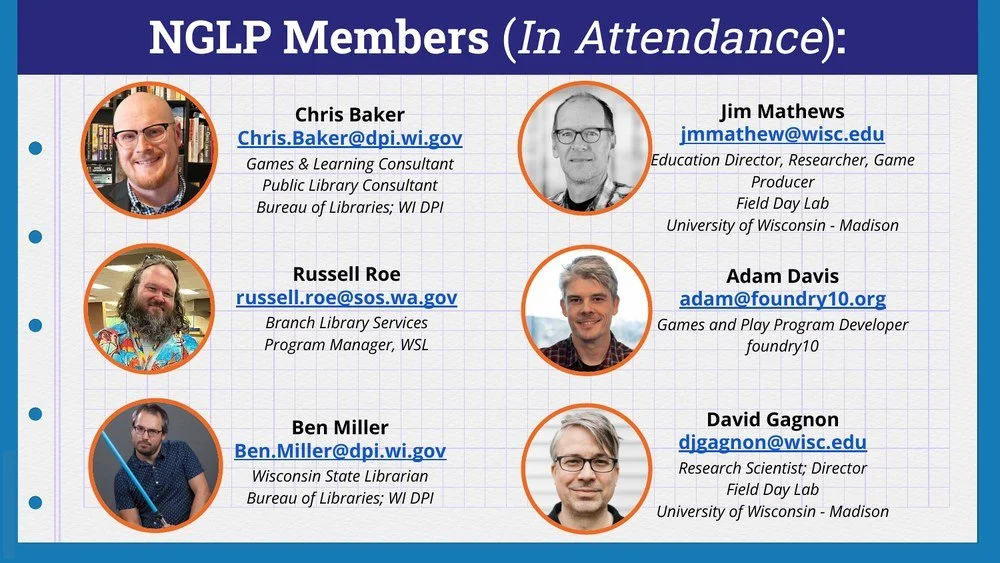
Chris Baker, games and learning consultant and public library consultant with the Wisconsin Department of Public Instruction, described the cohort as a deliberately broad community of practice: directors, youth services librarians, adult services librarians, rural libraries, urban libraries, suburban libraries, small systems, and large systems.
“We are convening to create a community of practice that is going to develop data-driven and practitioner-informed best practices for offering different types of games-based library services.”
From isolated innovation to national infrastructure
Across the country, librarians are already doing remarkable work with games. Some circulate board games. Some run Dungeons & Dragons campaigns. Others host youth tournaments, family game nights, tabletop programs, makerspace activities, video game events, or game design workshops. But too often, this work depends on one passionate staff member. When that person leaves, the service disappears. When a new librarian wants to begin, there may be no local model, no training, no budget framework, and no evidence base to help them make the case. The National Games and Libraries Project is designed to change that. The project is developing a living literature review, a national research report, and a freely available Games-Based Library Services toolkit. The Fellowship supplies the practitioner knowledge that makes those resources useful in real library environments.


Why games matter now
Libraries have always evolved alongside media. Books remain central, but libraries also preserve and circulate film, music, databases, digital tools, public computers, makerspace equipment, and local knowledge. Games belong in that lineage. For Baker, the stakes are cultural as well as professional. Games are a major form of contemporary media, yet many librarians receive little or no formal preparation in how to support them in library spaces. If the project succeeds, it will help close that gap: not only by arguing that games matter, but by showing how libraries can offer games effectively, equitably, and sustainably.
Learning by doing
Field Day learned this lessons years ago, fellowships are not “professional developmnent” and they are not simply workshops. Each Fellow will develop or strengthen Games-Based Library Services in their own community, document what they learn, and contribute practical examples to the national toolkit. Some Fellows are expanding board game collections. Others are exploring trading card games, tabletop role-playing games, video game programs, STEAM games, teen programming, adult programs, or new approaches to collection management. Their work will help future libraries see not one model, but many adaptable models. That matters because libraries are not interchangeable. A rural single-branch library, a suburban public library, a large regional system, and an urban library may all support games differently. The goal is not uniformity. The goal is a field strong enough to support local adaptation.
A growing national network
The 2026 cohort is the beginning of a larger effort. As future cohorts join the Fellowship, the National Games and Libraries Project will continue expanding the network of practitioners shaping the future of Games-Based Library Services. Miller describes libraries as one of the last places where people can gather without having to spend money: places where people can simply be, meet others, and discover who they are. Games can deepen that civic role by creating new reasons to gather, collaborate, imagine, and play.
“If the project is successful, we’ll see libraries finding new ways they can connect with their communities.”
The work ahead is practical: planning, testing, documenting, revising, and sharing. But the ambition is larger. The Fellowship is helping libraries recognize games not as an extra, but as a meaningful public service.
Partners
The project includes the Wisconsin Department of Public Instruction, Washington State Library, Field Day Lab at UW–Madison, foundry10, WiLS, and national library and games partners.
Learn more
Visit gamesandlibraries.org for project updates and future resources.
Meet the 2026 Fellows
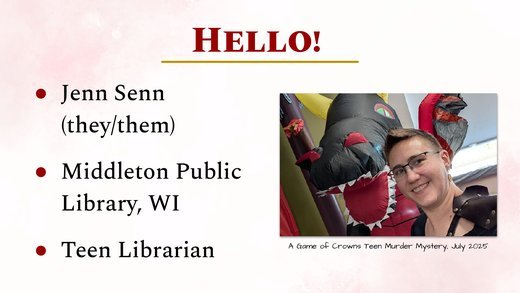
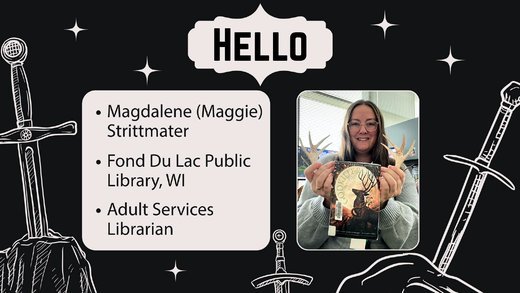
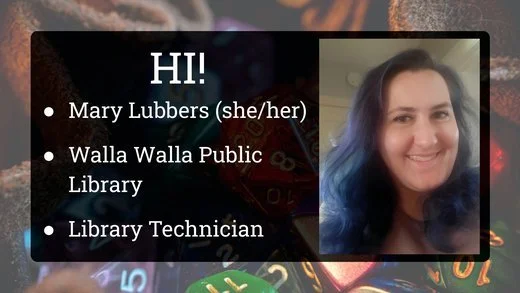
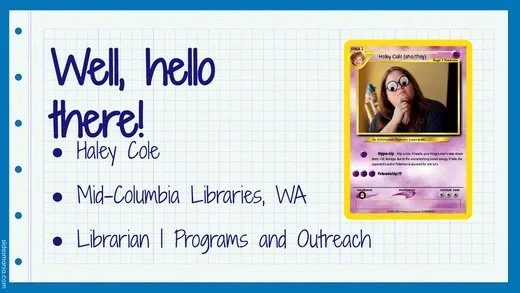
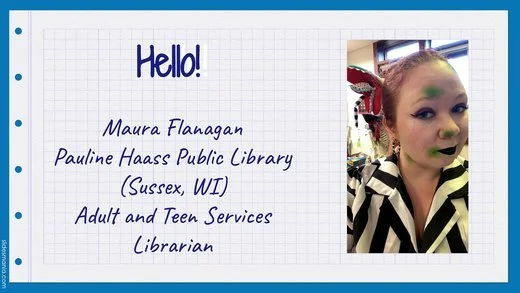
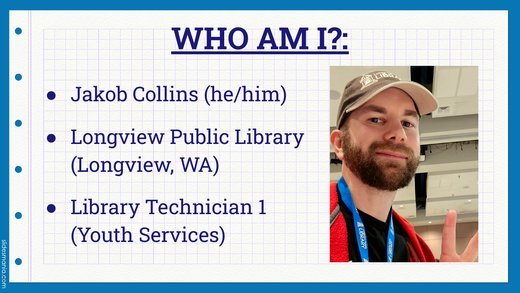
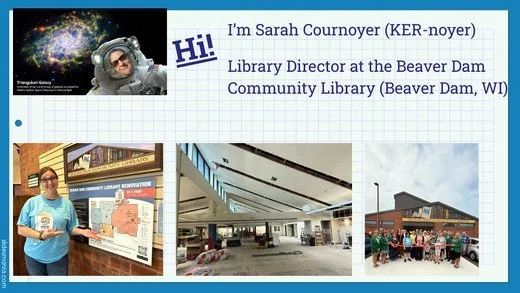
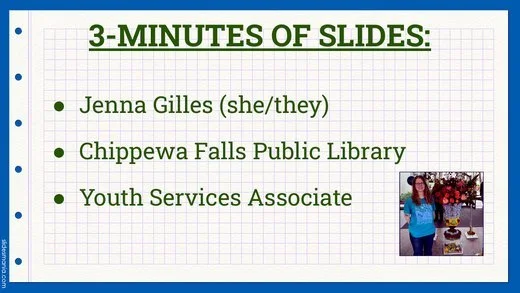
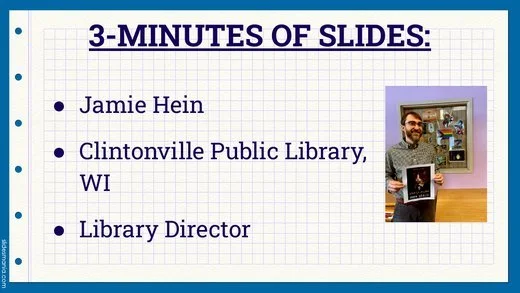
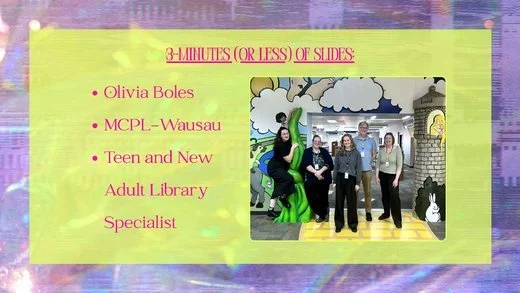
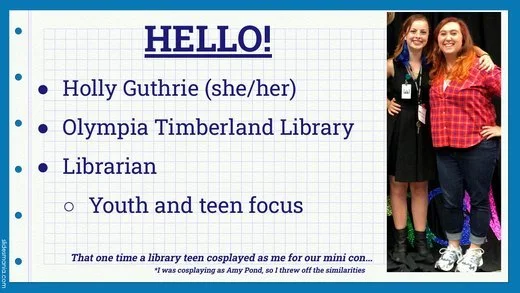
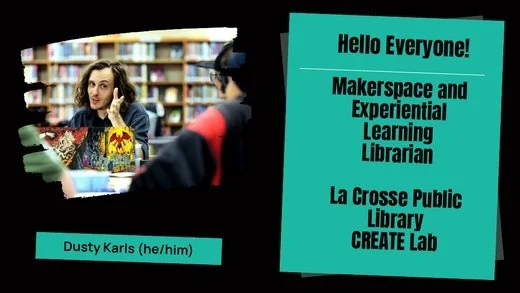
The inaugural cohort represents public libraries serving rural, suburban, and urban communities across Wisconsin and Washington.