

Let’s build the future of learning games together
Open Game Data is building an open research infrastructure for transformational games—combining the power of community-wide collaboration, shared standards and data, and cutting-edge research to inspire complex thinking in every learner.
Games can rapidly advance educational impact and the science of learning but to do that, we need to work together.
We invite researchers, game developers, and educators to build a new community-centered science of learning using Open Game Data resources and the unique affordances of transformational games.
Open Game Data fosters community-led development, sharing, testing, and continuous improvement of research tools, infrastructure, and training for studying human cognition, learning, affect and collaboration.
Our activities are based on four core values: Openness, Collaboration, Player-first, and Accountability.
Our work is centered on ethical human-centric principles for collection and sharing of game data and instrumentation of games.
And, we provide an equitable model for distribution, design, funding, and governance to serve the educational needs of the public for free, forever.
What can we build together?


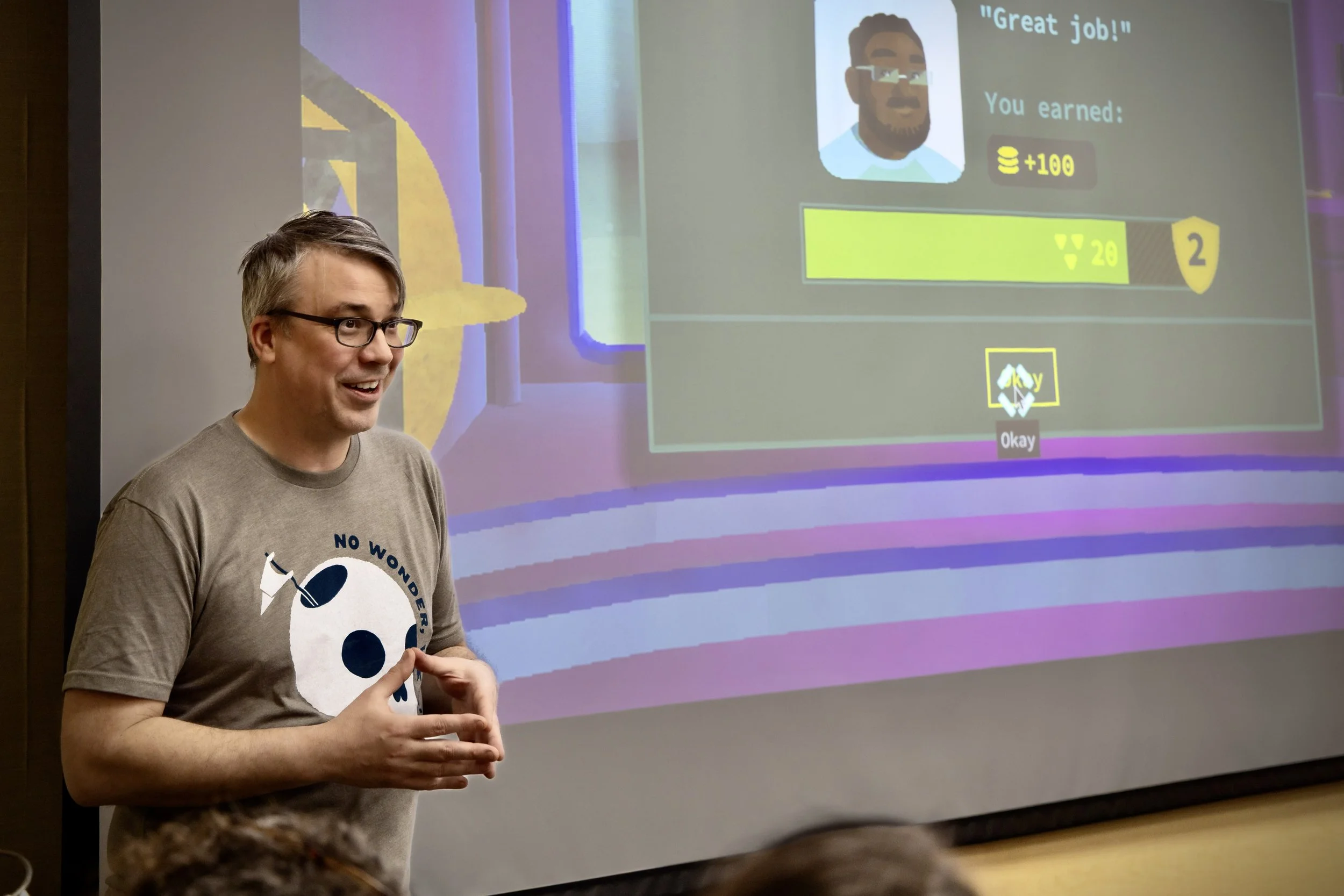
Shared hosting and distribution for games.
Public media transformed access to educational content for kids. Now, we are doing the same for interactive learning for all ages.
Vault Game Library is an evidence-driven long-term hosting, ratings, and discovery service where educators, researchers, and game developers can share and access learning games that meet the highest ethical and educational standards. All Vault games are freely available.
Read this case study about Shadowspect, a game project initiated by YJ Kim while at MIT and now available on Vault Game Library.
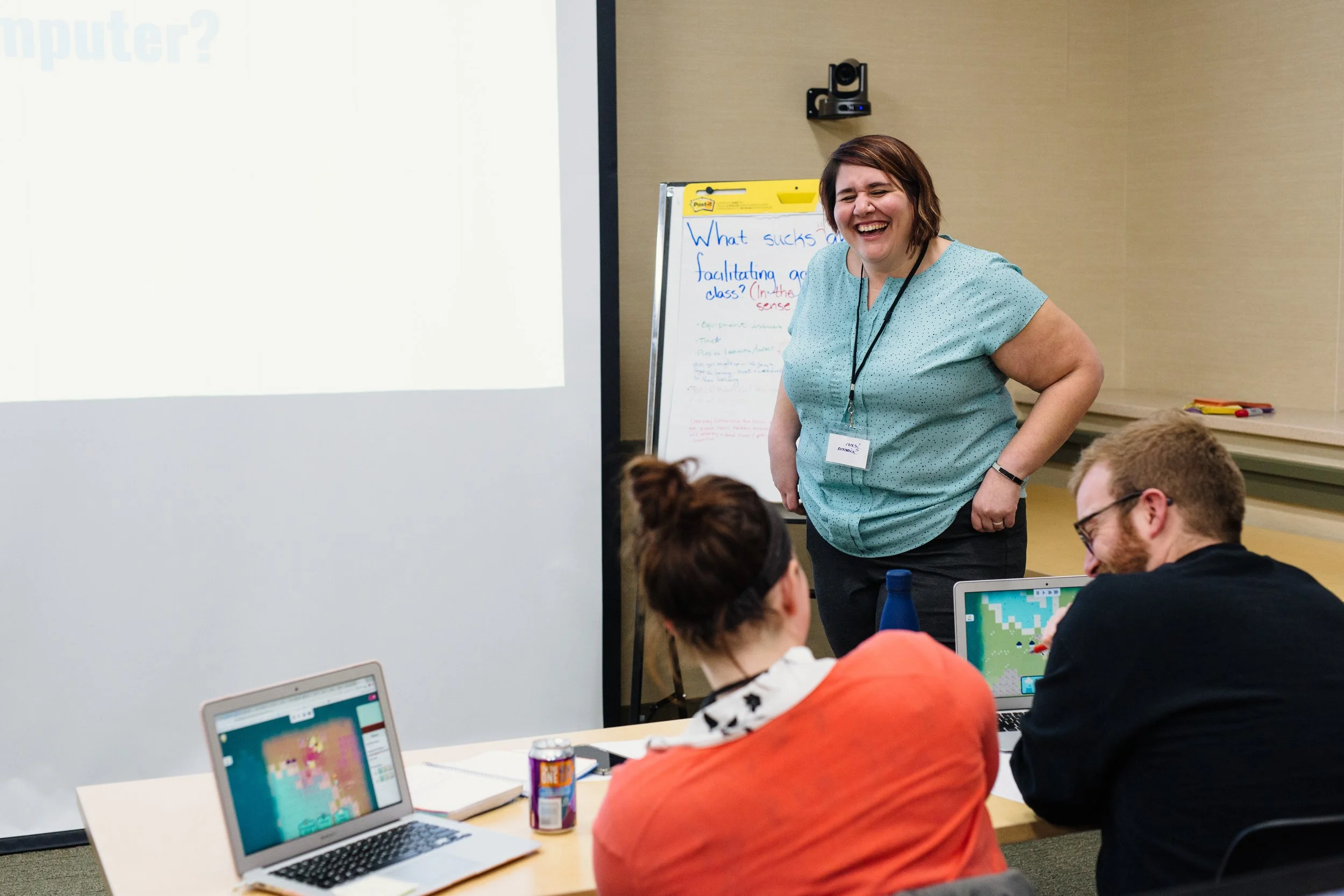
Shared tools for research.
Games can provide large amounts of rich data about thinking and learning, a rare combination. All that data needs to be embedded with ethical protocols and mined for meaning.
Open Game Data is a data sharing platform where researchers and game developers can access ethical protocols and share game data, methods, analysis tools, and co-develop standards.
In this case study, Luke Swanson from UW-Madison and Zhaoqing (Jimmy) Chen from UC Santa Cruz used Open Game Data to develop a new analytics paradigm for learning games.
Community Co-Design
We believe that co-design is a critical component of research infrastructure as well as the educational interventions it supports. We support training and evaluation activities that encourage curiosity while building connection and trust.
We provide convening spaces like our Open Office Hours to explore new tools, discuss infrastructure priorities, and develop interoperability and evaluation standards. Our work brings people into community by distributing decisions and encouraging creativity and participatory problem solving.

Read the case study about how Erik Harpstead from Carnegie Mellon University is working with Open Game Data colleagues to develop a shared standard for logging player and game events.